Beach Map | D Day Maps of Beaches – The D-Day invasion of Normandy on June 6, 1944, was a pivotal moment in World War II, marking the beginning of the end for Nazi Germany. In the months leading up to the invasion, Allied forces meticulously planned every aspect of the operation, including the creation of detailed beach maps to guide troops to their designated landing zones. These colorful maps played a crucial role in ensuring the success of the invasion, allowing soldiers to navigate the treacherous waters and beaches of Normandy with precision and confidence.
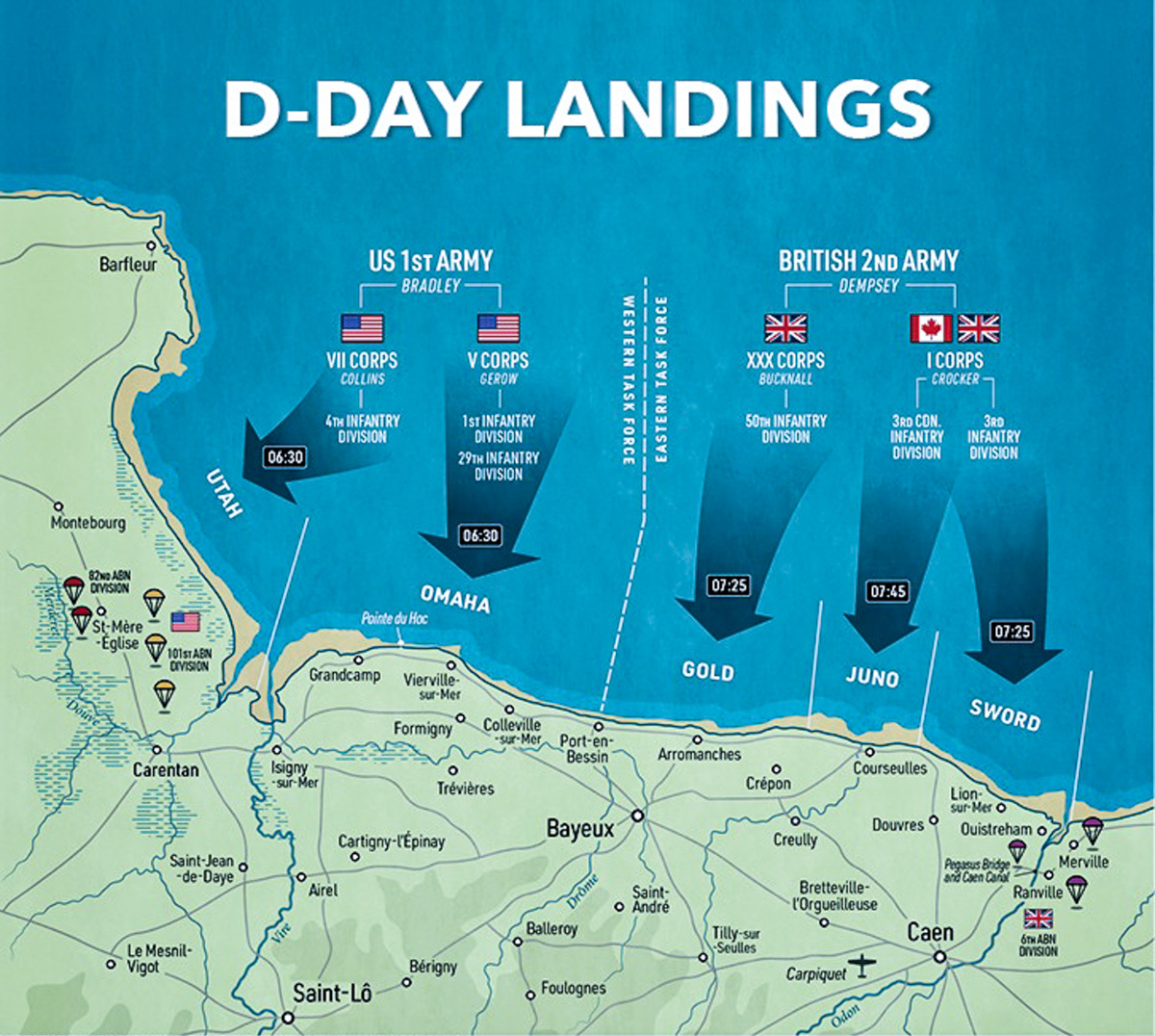 Navigating Victory: The Art of D-Day Beach Maps
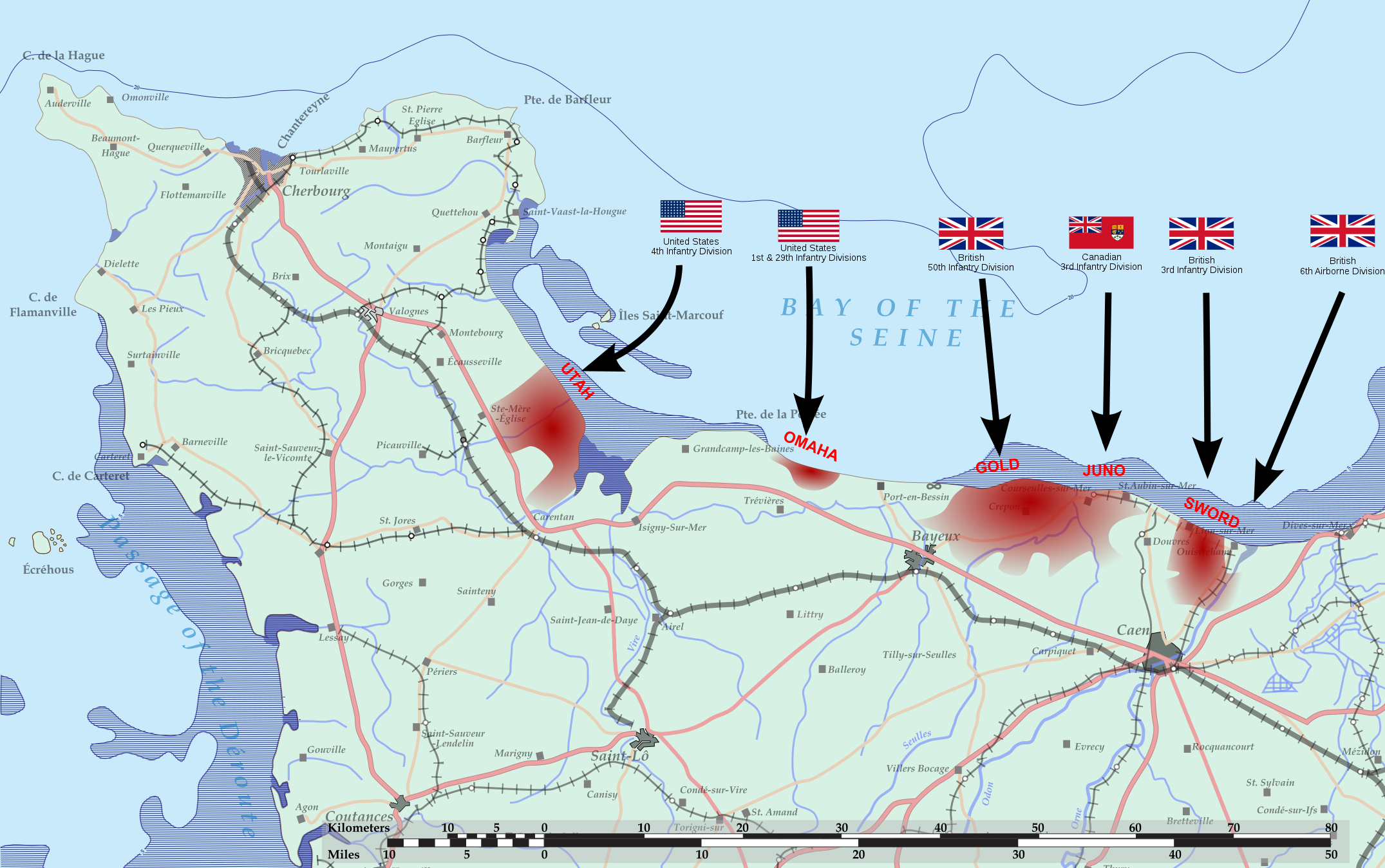
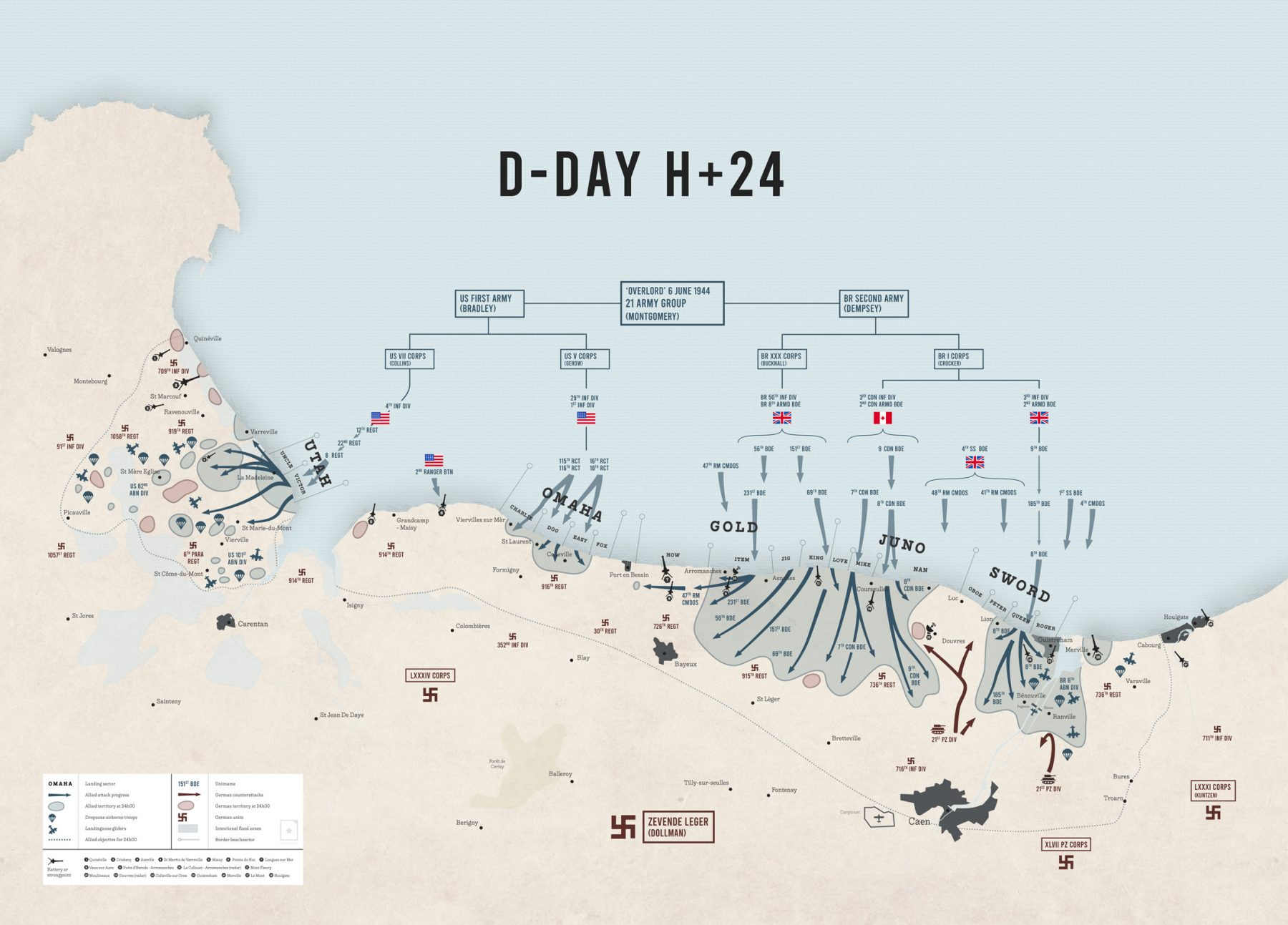
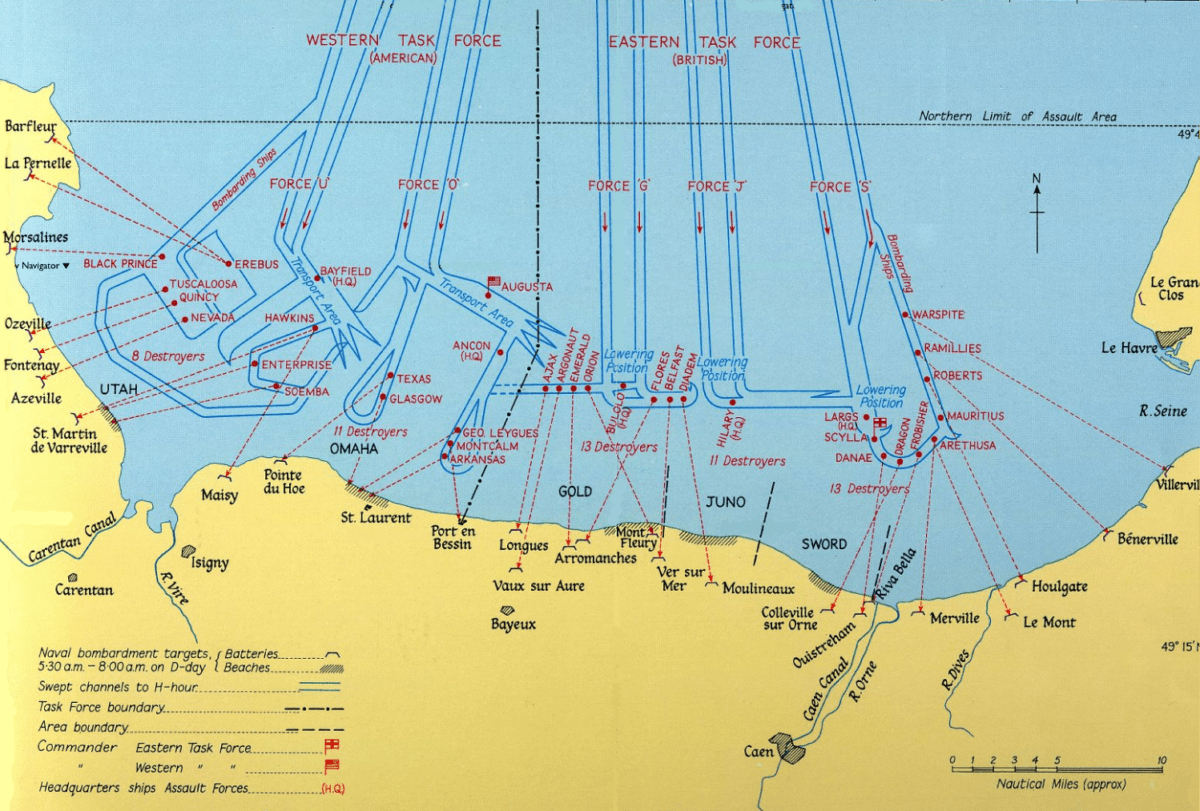
Each D-Day beach map was a work of art in its own right, meticulously crafted to provide soldiers with essential information about the terrain, obstacles, and enemy defenses they would encounter on the beaches of Normandy. The maps were designed to be easy to read and understand, using vibrant colors and detailed illustrations to highlight key landmarks and strategic points of interest. By studying these maps before the invasion, soldiers were able to familiarize themselves with the layout of the beaches and plan their approach accordingly, giving them a tactical advantage over the enemy.
As Allied troops stormed the beaches of Normandy on D-Day, the colorful beach maps proved to be invaluable tools for guiding soldiers to their objectives and coordinating the massive assault on the German defenses. Despite the chaos and confusion of battle, soldiers were able to rely on these maps to stay on course and adapt to changing conditions on the ground. Thanks to the detailed information provided on the maps, Allied forces were able to quickly gain a foothold on the beaches and begin their advance inland, ultimately leading to the liberation of Western Europe from Nazi occupation.
Vibrant and Detailed: Charting Success on Normandy Beaches
The vibrant colors and detailed illustrations of the D-Day beach maps not only served a practical purpose in guiding troops to victory, but also added a sense of optimism and morale to the soldiers who carried them into battle. The bright hues and lively designs of the maps helped to boost the spirits of the troops, reminding them of the larger mission at hand and the importance of their role in securing victory over the enemy. As soldiers waded through the surf and charged onto the beaches of Normandy, the colorful maps served as beacons of hope and inspiration, guiding them towards their ultimate goal of freedom and liberation.
The meticulous attention to detail and artistic flair of the D-Day beach maps also reflected the dedication and commitment of the Allied forces to achieving success on the shores of Normandy. Every line, symbol, and color on the maps was carefully chosen and placed to provide soldiers with the information they needed to carry out their mission with precision and efficiency. By combining practicality with creativity, the beach maps not only helped to secure victory on D-Day, but also demonstrated the ingenuity and resourcefulness of the Allied commanders and cartographers who designed them.
In the decades since the D-Day invasion, the colorful beach maps have become iconic symbols of the Allied victory in World War II, showcasing the power of strategic planning and collaboration in overcoming seemingly insurmountable odds. Today, these maps serve as reminders of the sacrifices made by the brave men and women who fought on the beaches of Normandy, and the enduring legacy of their courage and determination in the face of adversity. As we look back on the events of D-Day and the role that colorful beach maps played in charting the course to victory, we are reminded of the importance of perseverance, teamwork, and innovation in achieving success in any endeavor.
D Day Maps of Beaches
 Related Maps
Image Copyright Notice: The images displayed on this website are collected from publicly available sources, including Google, Bing, Yahoo, and DuckDuckGo. If you are the copyright holder of any image featured here and wish to request its removal, please contact us by providing the image URL. Upon verification, we will promptly remove the image in question.